
The Kettle That Finally Made Me Pay Attention
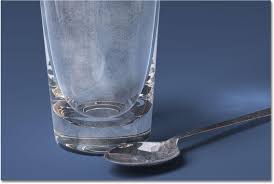
I have this weird habit of ignoring problems until they physically get in my way. That’s basically the story of how I ended up learning way more about my water than I ever planned to. It started with my kettle, of all things — this crusty white ring building up inside it no matter how often I rinsed it out. I remember scrubbing at it one morning, half annoyed, half curious, thinking, okay, what actually is this stuff.
Turns out it’s about as common a household mystery as they come. Hard water — water with a higher-than-usual mineral content, mostly calcium and magnesium — is behind that chalky residue, and honestly, once someone explained it to me, I started noticing it everywhere. The kettle, sure, but also the shower door, the faucet heads, even little white crust rings around my houseplants’ saucers where the water had evaporated. I’d apparently been living with it for years without connecting the dots.
Why It’s Not Just a Kettle Thing
Once I actually looked into it, I realized the kettle was just the most visible symptom, not the whole story. Those same minerals are moving through every pipe in your house, every single day, quietly leaving deposits behind wherever water sits, heats up, or evaporates. It’s slow. It’s not dramatic. But it adds up in a way that’s honestly a little unsettling once you notice it.
That gradual buildup has a name too — scale buildup — and it’s not just cosmetic. It coats the inside of pipes, water heaters, faucets, basically anywhere water travels or lingers. Over time it narrows pipe diameter, reduces water flow, and makes everything work just a little bit harder than it should. I didn’t think much of this until a plumber pointed at my water heater and said something like, “yeah, that’s a solid layer of scale in there, probably knocking a chunk off its lifespan.” Not exactly what I wanted to hear.
The Expensive Lesson I Didn’t See Coming
This is the part that actually got my attention, if I’m being honest. It’s easy to shrug off spotty dishes or a crusty kettle — annoying, sure, but not exactly urgent. Appliances breaking down early, though? That’s a different conversation entirely, and a much pricier one.
Turns out hard water is a genuine contributor to appliance damage over time — water heaters, dishwashers, washing machines, coffee makers, all of it. The minerals build up on heating elements especially, making them work harder to reach the same temperature, which shortens their lifespan and quietly bumps up your energy bill in the process. My water heater situation wasn’t some freak accident, apparently. It’s a pretty predictable outcome if hard water just gets left alone long enough. Learning that stung a little, not gonna lie — felt like something I could’ve avoided if I’d just paid attention sooner.
What I Actually Did About It
I won’t pretend I became some water quality expert overnight, because I definitely didn’t. But I did get curious enough to test my water and talk to someone who actually knows this stuff for a living. Turned out my hardness levels were pretty high for the area, which honestly explained a lot in hindsight — the kettle, the water heater, the dry skin I’d sort of just accepted as normal.
The fix wasn’t as dramatic as I expected. A softening system, properly maintained, made a noticeable difference within a few weeks. No more chalky ring reforming in the kettle no matter how much I scrubbed. Dishes came out actually clear. And weirdly, my skin stopped feeling tight after showers, which I hadn’t even realized was connected to any of this until it just… stopped being a thing.
Looking Back, I Wish I’d Asked Sooner
It’s funny how something as unremarkable as a kettle ring can end up teaching you this much about your own house. I’d genuinely lived with the signs for years — spotty glasses, a faucet that never quite looked clean, a water heater that seemed to need repairs a little too often — without ever connecting them to one root cause.
If any of this sounds familiar, my honest advice is don’t wait for something expensive to break before you look into it. The small annoyances are usually trying to tell you something, even if it takes a while to notice the pattern. In my case, it took a crusty kettle and a plumber’s blunt comment about my water heater to finally get the message. Hopefully you catch on a little faster than I did.