
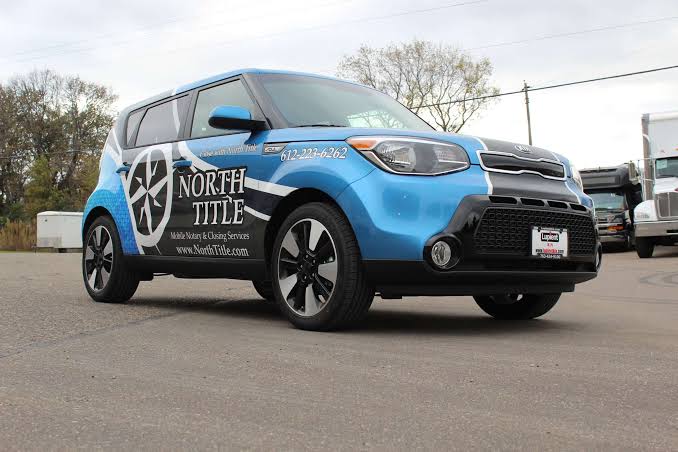
When a business operates in several cities, keeping its brand looking consistent can become surprisingly complicated. One vehicle might be wrapped at a local shop, another may be hundreds of miles away, and a third could be part of a fleet that is still growing. If every project is handled differently, small variations start to appear: colors look slightly off, logos shift position, and important contact details are displayed in different ways.
These differences might seem minor at first, but they can weaken the impression a company wants to create. Customers should be able to recognize the same business whether they see a service van in a small town or a delivery truck outside a busy distribution center.
A well-organized vehicle wrap program makes that possible. It brings design, production, scheduling, and installation into one coordinated process, helping businesses maintain a familiar look without making every project feel like a logistical headache.
Why Consistency Matters for Growing Businesses
A branded vehicle is more than a moving advertisement. It represents the company wherever it travels. For businesses with service teams, delivery routes, sales representatives, or regional branches, vehicles often interact with customers long before a formal conversation begins.
Imagine a plumbing company with trucks operating in five states. A customer may see one vehicle at a neighbor’s home, another at a supply store, and a third parked near a commercial property. When the branding remains consistent, those repeated encounters reinforce recognition. The company begins to feel established and familiar.
That is one reason businesses invest in nationwide wrap services rather than arranging each location independently. A coordinated approach can help standardize the visual identity, establish clear project expectations, and reduce the amount of time managers spend chasing updates from different providers.
Consistency does not mean every vehicle must look identical. A box truck has different design requirements from a compact van or pickup. The goal is to keep the important brand elements recognizable while adapting the layout to each vehicle’s shape and purpose.
Start With a Clear Brand Standard
Before any vehicle goes into production, it helps to create a practical set of design guidelines. These should include approved logo files, color specifications, typography, contact information, and rules for placing key elements. If there are several service divisions, the guidelines can explain which details may change and which should remain fixed.
This preparation saves time later. Without a shared reference, different designers may interpret the same brand in slightly different ways. One might use a darker blue, another may stretch a logo to fit a panel, and someone else might place the phone number in a less visible area.
A centralized design standard provides a reliable starting point. It also gives the business a way to review proposed layouts before materials are printed. Mockups should reflect the actual vehicle model as closely as possible, including door seams, handles, windows, and other features that may affect the final placement.
It is wise to keep the original artwork and approved versions organized. When a new branch joins the program or a replacement vehicle arrives, the team can work from an established design rather than recreating everything from scratch.
Coordinating Logistics Across Different Regions
The design may be approved, but the project still needs to reach the right location at the right time. Vehicles have schedules, installers have limited availability, and commercial operations cannot always pause for a full day while graphics are applied.
Successful fleet programs account for these details early. The project manager should confirm vehicle availability, installation locations, preparation requirements, estimated completion times, and any local restrictions that could affect access. A truck that arrives late or has not been cleaned properly can disrupt the entire schedule.
Strong coordination supports seamless national logistics, especially when several vehicles need to be completed within a narrow time frame. Clear communication between the business, production team, and local installers helps everyone understand what is expected. It also makes it easier to respond when plans change.
For example, a delivery company may need three vehicles wrapped before a new service area launches. If the team confirms artwork approval, material availability, and installation appointments in advance, the vehicles can be prepared with less disruption. If one truck becomes unavailable, the schedule can be adjusted before it affects the wider rollout.
No logistics plan can prevent every delay. Weather, vehicle repairs, shipping issues, and unexpected operational demands can still interfere. What matters is having a process for identifying problems early and communicating realistic alternatives.
Local Installation With Central Oversight
Businesses often need the convenience of working near their own facilities, but they also want confidence that each installation will meet the same standard. These goals do not have to compete.
A coordinated program can use qualified installers in different regions while keeping the design, material specifications, and approval process under central oversight. Each installer should receive the correct artwork, vehicle details, production notes, and instructions about the expected finish.
For companies with vehicles spread across a large service area, on-site installation anywhere can be valuable when it is available and appropriate for the project. Having work completed at a depot, branch, or fleet yard may reduce the need to transport vehicles to a distant shop. However, the installation site must provide suitable space, safe working conditions, adequate lighting, and protection from weather or airborne debris.
Not every vehicle or environment is suitable for mobile installation. Complex wraps, difficult surface conditions, or specialized vehicle designs may require a controlled workshop. A good project plan considers the practical requirements instead of assuming that one installation method will work everywhere.
Choosing Materials That Suit the Vehicle
Material selection should reflect the vehicle’s use, expected lifespan, and operating conditions. A truck that spends most of its time on highways may face different wear patterns from a van that makes frequent stops in residential neighborhoods. Sun exposure, road grime, weather, and regular washing can all affect the appearance of vehicle graphics.
The cheapest material is not always the most economical option over the long term. A wrap that fades, lifts, or becomes difficult to maintain may need attention sooner than expected. On the other hand, the most expensive option is not automatically necessary for every vehicle.
Ask the provider to explain the material choices, their intended applications, care requirements, and any relevant warranty terms. The condition of the underlying paint also matters. Damaged, peeling, or poorly repaired surfaces can affect adhesion and may complicate removal later.
Installation quality is equally important. Even good vinyl can produce disappointing results if the vehicle is not prepared correctly or the graphics are poorly fitted around edges and contours.
Build Quality Checks Into the Process
Quality control should happen at more than one stage. Reviewing artwork before production helps catch incorrect phone numbers, outdated logos, and design issues. Checking the finished wrap helps identify bubbles, lifting edges, alignment problems, or missing details before the vehicle returns to service.
For multi-location projects, use a consistent inspection checklist. Photographs of completed vehicles can provide a helpful record, especially when managers cannot inspect every installation in person. The checklist should cover the most important visual and practical details without becoming so complicated that nobody uses it.
It is also useful to gather feedback from drivers. They may notice problems that are easy to miss during a quick inspection, such as graphics placed where equipment blocks them or surfaces that are difficult to clean.
Make the Program Easier to Manage Over Time
A vehicle wrap project should not end the moment the installation is complete. Businesses eventually replace vehicles, update contact details, add new locations, or adjust their branding. Keeping a record of artwork, material choices, installation dates, and vehicle specifications makes those future changes easier to manage.
The best approach combines planning with flexibility. Standardized guidelines protect the brand, while a coordinated schedule helps projects stay organized. Local expertise can address the practical needs of each location, and regular quality checks help maintain a professional finish.
For a growing business, that combination makes fleet branding more manageable. Every vehicle can serve its daily purpose while contributing to a recognizable company identity. And when customers encounter the same clear, professional presentation across different regions, the brand feels less like a collection of separate branches and more like one dependable business.
