Water is part of nearly every routine at home, from the first cup of coffee in the morning to washing dishes after dinner. Most people don’t think much about it until something changes. Maybe the water starts leaving spots on glassware, develops an unusual smell, or causes mineral deposits around faucets. These small frustrations can be signs that the water needs a closer look.
For homeowners relying on groundwater, water quality can vary considerably. Understanding how filtration works and choosing the right treatment approach can help improve everyday water use while protecting plumbing, appliances, and the overall household water supply.
Why Water Quality Deserves More Attention
Water may look perfectly clear and still contain dissolved minerals, naturally occurring substances, or contaminants that aren’t visible to the naked eye. Groundwater travels through soil and rock, picking up different materials along the way. Local geology, rainfall, agricultural activity, and nearby land use can all influence what’s present in a water supply.
Florida presents some unique water quality considerations. Mineral-rich groundwater can contribute to hardness, while iron and other substances may cause staining, discoloration, or unpleasant tastes. Some households also experience sediment, sulfur odors, or concerns about specific contaminants.Also read: Better Water, Better Living: A Practical Guide to Home Water Filtration in Manassas, VA
The important thing is not to assume every water problem has the same cause. Testing the water is a sensible first step because it helps homeowners understand what needs to be addressed instead of relying on guesswork.
How Filtration Helps Improve Everyday Water
The purpose of filtration is to remove unwanted substances from water using a treatment method designed for particular contaminants. Different filters work in different ways, which is why choosing equipment based on actual water conditions matters.
Sediment filters can capture sand, dirt, and suspended particles before they enter household plumbing. Activated carbon filters may help reduce chlorine, certain organic compounds, and unpleasant tastes or odors, depending on the media and its certification. Reverse osmosis systems can reduce several dissolved substances and are often installed at kitchen sinks for drinking and cooking water.
Filtration can also help protect downstream equipment. When sediment is removed before reaching appliances or other treatment components, it may reduce clogging and unnecessary wear. Still, a filter isn’t a universal solution. Hardness minerals, dissolved iron, bacteria, and other concerns may require specialized treatment technologies rather than a basic cartridge filter.Also read: Protect Your Home’s Comfort With a Reliable Heating and AC Maintenance Plan
Florida’s Groundwater and the Importance of Local Conditions
Florida homeowners often depend on groundwater for daily household needs, particularly in rural communities and properties outside municipal service areas. However, groundwater conditions can differ from one location to another, even within the same county.
Many homeowners with private wells across florida experience water quality concerns related to mineral content, sediment, or local environmental conditions. Coastal properties may have additional concerns involving saltwater intrusion, while other areas may experience changes in groundwater quality following heavy rainfall or flooding.
Private well owners have an added responsibility to monitor their water because they aren’t relying on a municipal utility’s routine treatment and testing program. Regular laboratory testing can help identify concerns such as coliform bacteria, nitrates, pH changes, iron, and other substances relevant to local conditions.
A well-maintained water supply begins with understanding the source. Testing periodically and after significant changes can provide useful information about whether treatment adjustments are needed.Also read: Taking Care of Your Private Well: A Homeowner’s Guide to Better Water Quality
The Benefits of Water Filtration and Conditioning
Filtration and conditioning are often used together, but they serve different purposes. Filtration physically or chemically removes targeted substances from water, while conditioning generally changes water characteristics to help manage issues such as hardness or scale formation.
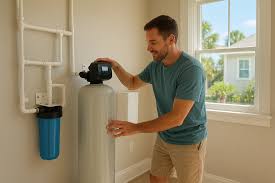
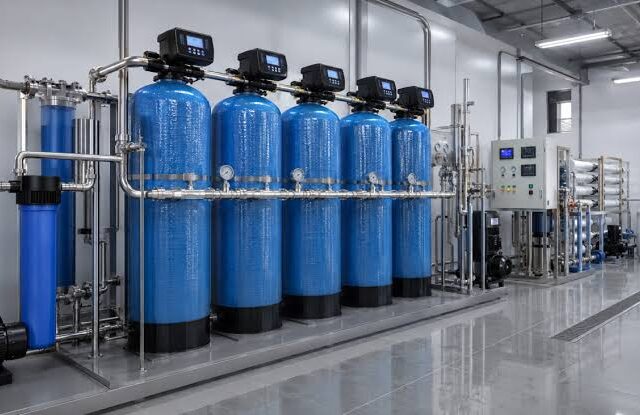
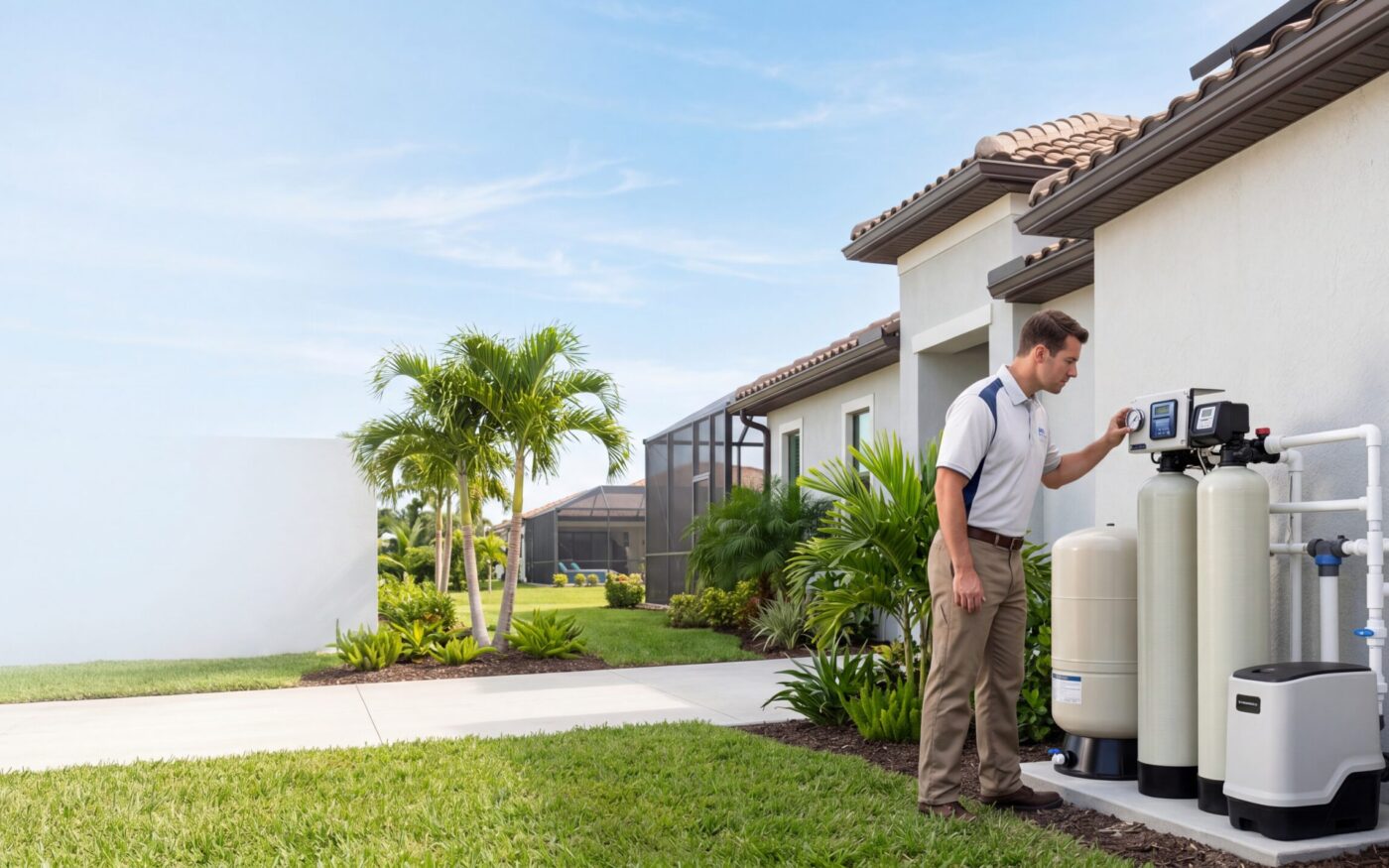
A properly selected well water filtration and conditioning setup may include sediment filtration, iron treatment, water softening, activated carbon, or other technologies. The combination depends on water test results, household consumption, plumbing conditions, and the homeowner’s priorities.
For example, a property dealing with hard water may benefit from a softener to reduce calcium and magnesium. A home with iron staining might need specialized iron removal, while a household concerned about drinking water may consider an under-sink reverse osmosis system.
There’s no need to install every available technology. A good system should address specific water problems without creating unnecessary complexity or maintenance expenses.Also read: Keeping Your Water Treatment System Reliable Without the Hassle
Maintaining Your Water Treatment Equipment
Even a well-designed treatment system needs regular attention. Filters eventually become clogged or lose effectiveness, softeners require salt replenishment, and certain treatment components need cleaning or inspection.
Homeowners should follow manufacturer maintenance schedules and keep track of replacement dates. Changes in water pressure, taste, smell, or appearance can also indicate that something needs checking.
Professional service can be particularly helpful when a system includes multiple treatment stages or when water quality changes unexpectedly. A technician can inspect components, review performance, and recommend adjustments where necessary.
Making a Practical Investment in Better Water
Choosing water treatment equipment doesn’t have to be overwhelming. Start with a water test, identify the main concerns, and compare systems designed to address those specific issues. Consider installation costs, replacement filters, maintenance requirements, warranty coverage, and expected operating expenses.Also read: Why Regular Water Treatment Matters for a Healthier Home
Better water isn’t necessarily about purchasing the most expensive equipment. It’s about choosing a dependable solution that fits the property and continues working properly over time.
Conclusion
Water quality affects more than taste. It influences household comfort, plumbing maintenance, appliance performance, and confidence in the water used every day. With proper testing, suitable filtration, and regular equipment care, homeowners can take a more informed approach to managing their water.
A little attention now can prevent ongoing frustrations later, making everyday water use simpler, more reliable, and easier to manage.