Buying a house with a private well can feel like an exciting step toward a more independent lifestyle. There’s no monthly municipal water bill, and having your own water source certainly has its advantages. Still, well ownership comes with a few responsibilities that aren’t always obvious at first.
Water may develop an unusual smell, leave stubborn deposits on bathroom fixtures, or occasionally appear cloudy. Sometimes, there aren’t any noticeable warning signs at all.
The good news is that managing groundwater quality doesn’t have to be an overwhelming task. With proper testing, suitable treatment equipment, and a little preventive maintenance, homeowners can address many common water problems.
The trick is knowing where to begin and resisting the temptation to purchase equipment before understanding what your water actually needs.
Get to Know Your Water Before Choosing a Solution
Groundwater isn’t identical everywhere. Its characteristics depend on local geology, soil conditions, surrounding land use, and the construction of the well itself.
When exploring private well water treatment options, homeowners should start with laboratory testing to determine which minerals, contaminants, or other substances require attention.
Some wells produce water with excessive hardness, while others contain elevated concentrations of iron or manganese. Hydrogen sulfide can create unpleasant odors, and suspended particles may affect water clarity.Also read: Better Water, Better Living: A Practical Guide to Home Water Filtration in Manassas, VA
Then there are concerns that aren’t nearly as obvious, such as nitrates and microbial contamination.
You can’t recognize every potential problem by looking at a glass of water.
A detailed assessment provides a much more reliable starting point. It also helps prevent unnecessary expenses, particularly when a relatively straightforward treatment method could address an otherwise frustrating problem.
Keep your laboratory results somewhere accessible. Having that information available makes future maintenance appointments and conversations with treatment specialists much more productive.
How Filtration and Conditioning Work Together
There’s a common misunderstanding that water filters and water softeners essentially perform the same job. In reality, they address different aspects of water quality.
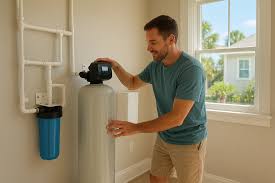
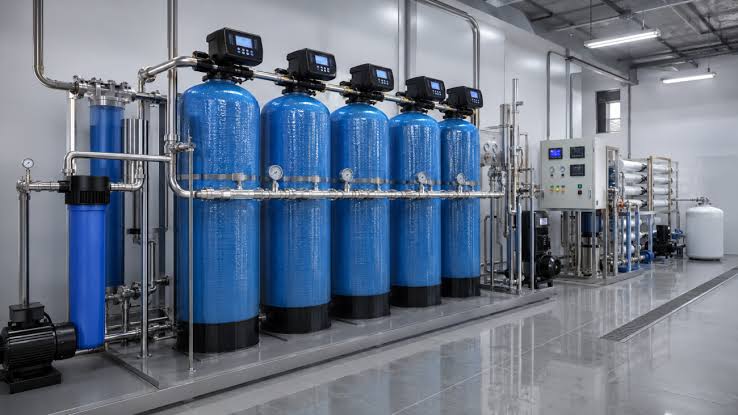
Combining suitable well water filtration and conditioning can help manage several groundwater concerns through complementary treatment processes.
For instance, sediment filters capture suspended particles, while conventional softeners reduce dissolved calcium and magnesium responsible for hardness.Also read: Protect Your Home’s Comfort With a Reliable Heating and AC Maintenance Plan
Depending on laboratory findings, homeowners may benefit from several treatment technologies:
- Sediment filters for sand, dirt, and suspended debris.
- Water softeners for excessive mineral hardness.
- Oxidation and filtration equipment for certain iron and manganese concerns.
- Activated carbon for selected unwanted tastes and odors.
- Ultraviolet disinfection for specific microbial challenges under appropriate operating conditions.
- Reverse osmosis for reducing many dissolved substances in drinking water.
The arrangement and order of these treatment stages matter.
Excessive sediment, for example, can interfere with other equipment. Appropriate pretreatment may therefore help subsequent components operate more effectively.
A successful installation isn’t necessarily the one with the greatest number of tanks and cartridges. It’s the one that addresses your water conditions without introducing unnecessary complexity.
When Professional Help Is Worth the Investment
There are plenty of household maintenance projects that lend themselves to a weekend DIY approach. Designing a groundwater treatment system, however, can involve more technical considerations than people initially expect.
Reliable well water treatment services can help homeowners interpret laboratory findings, investigate recurring problems, and select equipment suited to their property’s water chemistry and consumption patterns.Also read: Better Water Starts at Home: Understanding Filtration and Well Water Quality in Florida
A qualified professional should also assess the well pump, available water pressure, drainage arrangements, and installation space.
These details make a difference.
Consider a backwashing filtration system that requires more water flow than your existing well pump can deliver. Even suitable treatment media might struggle to perform properly under those conditions.
Before accepting an installation proposal, ask about ongoing operating expenses, replacement materials, servicing schedules, and expected treatment performance.
A trustworthy recommendation should come with a clear explanation of why each component is necessary.
Pay Attention to Changes After Heavy Rainfall
Private wells don’t exist independently of their surroundings. Environmental changes can sometimes influence groundwater conditions, particularly when a well is poorly sealed or vulnerable to surface contamination.
After unusually heavy rainfall, flooding, or nearby construction, homeowners should pay attention to unexpected changes in water appearance and odor.Also read: Keeping Your Water Treatment System Reliable Without the Hassle
Sudden cloudiness or unusual discoloration deserves investigation rather than simply another filter replacement.
If contamination is suspected, use a known safe alternative water source for drinking and cooking until appropriate testing and professional guidance confirm the water is suitable.
Maintaining the well cap and ensuring surface water drains away from the well are also sensible preventive measures.
Keep Maintenance Simple and Consistent
Water treatment equipment doesn’t remain effective indefinitely. Filters accumulate particles, softeners require replenishment, and specialized media can eventually lose their treatment capacity.
Create a maintenance schedule that reflects the equipment manufacturer’s recommendations.
Private well owners should also arrange annual laboratory testing for coliform bacteria and nitrates, alongside other locally relevant contaminants recommended by public health authorities.Also read: Why Regular Water Treatment Matters for a Healthier Home
A filter change might take only a few minutes, but forgetting it repeatedly can affect treatment performance. Setting calendar reminders or keeping a small maintenance notebook near the equipment can help.
It’s a simple habit that pays off over time.
Make Your Private Well an Asset, Not a Worry
Owning a private well shouldn’t mean constantly wondering what’s coming out of your faucets.
Understanding your water, addressing its specific challenges, and maintaining suitable equipment can make independent water ownership far more manageable.
You don’t need to become a groundwater expert overnight. You simply need reliable information, appropriate professional support when necessary, and a willingness to keep up with routine care.
In the end, a well-maintained water supply is about more than reducing stains or improving taste. It’s about looking after a resource your household depends on, every single day.