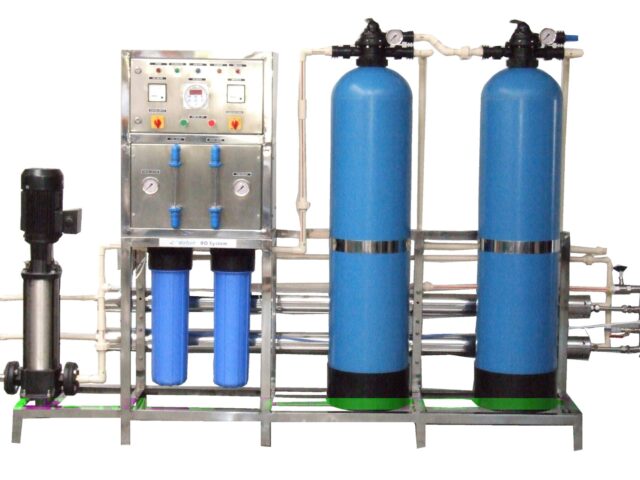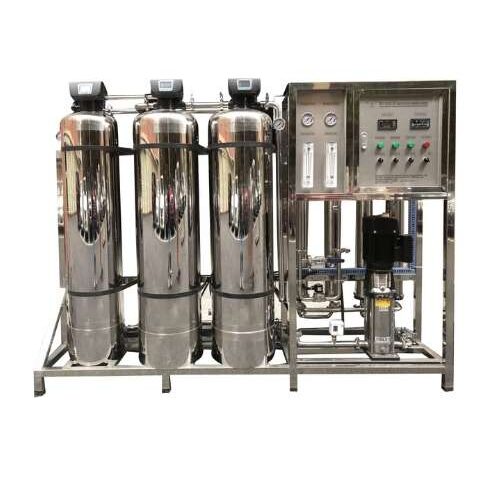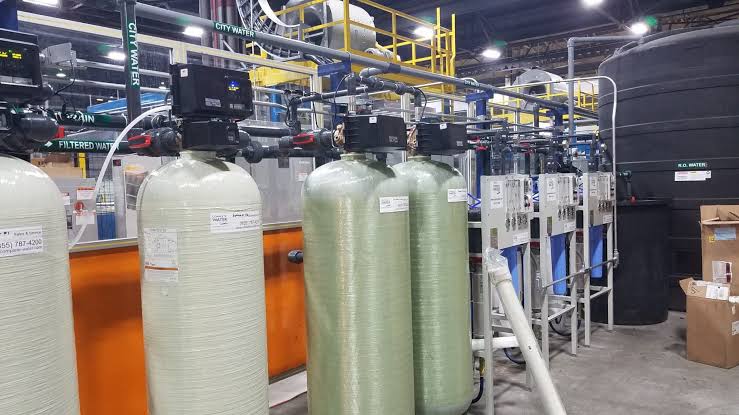
A water treatment system is easy to appreciate when everything works as it should. The water tastes fresh, mineral deposits are less noticeable, and everyday tasks like cooking, washing dishes, and taking a shower feel a little easier. Then, one morning, the water starts tasting different or the familiar white marks return around the kitchen tap. That’s usually when homeowners remember that water treatment equipment needs attention, too.
The good news is that maintaining a system doesn’t have to be difficult. Whether you own a filtration unit, use a water softener, or are considering renting equipment, a little planning can prevent avoidable problems. Understanding the basics also helps you spend money where it matters instead of replacing equipment or filters unnecessarily.
Why Regular Maintenance Matters
Water treatment systems work in different ways, but nearly all require some level of ongoing care. Filters collect particles and contaminants, softeners need appropriate regeneration settings, and reverse osmosis units rely on components that gradually lose performance. Even durable equipment can struggle when small maintenance tasks are repeatedly overlooked.
Consistent water treatment system maintenance helps keep equipment operating according to its design. Depending on the system, this may involve replacing cartridges, checking salt levels, cleaning components, inspecting connections, and arranging periodic professional servicing.
There isn’t one universal maintenance schedule. A sediment filter connected to a private well may need attention much sooner than a filter handling relatively clean municipal water. Similarly, a household with high water consumption may replace cartridges more frequently than a smaller household. The manufacturer’s instructions provide a useful starting point, while water quality and actual usage determine what makes sense in practice.
Pay attention to changes in performance. Reduced water pressure, unusual tastes, persistent odours, or a return of mineral deposits may indicate that something needs checking. These signs don’t always mean the treatment equipment has failed; the underlying water supply or household plumbing could also be responsible.Also read: Why Regular Water Treatment Matters for a Healthier Home
If your system is intended to reduce a health-related contaminant, don’t rely on taste or appearance to confirm that it is working. Follow the recommended replacement schedule and arrange suitable testing when needed.
Renting Equipment Instead of Buying It
Buying a water treatment system can be a substantial upfront expense. The total cost may include equipment, installation, plumbing modifications, replacement filters, and ongoing servicing. For some households, paying for everything at once is perfectly reasonable. For others, renting may offer a more manageable way to get started.
With water treatment system rentals, customers typically pay an agreed recurring fee to use equipment without purchasing it outright. Depending on the provider, the arrangement may include installation, scheduled servicing, repairs, or replacement components. However, these benefits vary considerably, so it’s important to read the agreement rather than assume everything is included.
Renting can be useful for people who don’t want to manage repairs themselves or who expect their living arrangements to change. It may also appeal to households that want to evaluate a particular treatment setup before committing to a purchase.
Still, monthly payments deserve a closer look. Compare the full cost over the expected rental period with the purchase price of a similar system. Ask whether installation fees apply, who pays for replacement cartridges, what happens if the equipment breaks, and whether there’s a cancellation charge. If the agreement includes maintenance, find out exactly which tasks and parts are covered.Also read: Reliable Water Systems: What Businesses Need to Know Before Investing
Ownership may offer better long-term value for someone planning to remain in the same home for many years. Renting, meanwhile, can make sense when flexibility and included service are more important than owning the equipment. The best option depends on your budget, the system required, and the terms offered by the supplier.
Match the Treatment to Your Water Quality
Before renting or purchasing anything, identify the problem you’re trying to solve. Water that leaves chalky marks on taps may be hard water containing elevated levels of calcium and magnesium. A chlorine-like taste may respond to a suitable activated carbon filter. Sediment, iron staining, and certain dissolved contaminants require different approaches.
A treatment provider should explain what the water test results mean and recommend equipment designed for the identified issue. Be cautious of companies that immediately promote an expensive whole-house system without first asking about your water source or specific concerns.
Testing is particularly important if you rely on a private well. Local groundwater conditions can vary, and clear-looking water isn’t necessarily free from contaminants. Consider laboratory testing for relevant health-related concerns and consult local public health guidance about which substances should be checked.
Each technology has limitations. Water softeners primarily address hardness; they aren’t general-purpose drinking water purifiers. Sediment filters capture suspended particles but generally don’t remove dissolved chemicals. Reverse osmosis can reduce many dissolved substances, but performance depends on the system and the water being treated.
Choosing equipment based on evidence rather than broad marketing promises makes it easier to avoid unnecessary costs.Also read: Choosing the Right Water Treatment System for Your Home
What Good Service Should Include
Water treatment equipment is only part of the picture. The quality of installation, advice, and aftercare can influence how well a system performs over time. A poorly installed unit may leak, operate inefficiently, or fail to deliver the expected results.
Providers offering comprehensive water services may combine water testing, equipment recommendations, installation, repairs, replacement filters, and scheduled maintenance. Having these services coordinated through one provider can be convenient, especially if you don’t want to track several contractors and suppliers.
However, the phrase “comprehensive service” can mean different things to different companies. Ask for a clear description of what is included. Does the provider conduct follow-up testing? Are emergency repairs available? Are replacement parts included in a service plan? Will you receive a written report after an inspection?
Good service should also involve honest explanations. A reliable technician will tell you when a simple repair is sufficient and when a component genuinely needs replacement. You should be able to ask questions without feeling pressured into buying additional equipment.
Check warranties and service terms before agreeing to installation or a long-term contract. Clear documentation helps prevent confusion about responsibilities later.Also read: Making Everyday Purchases Smarter: Referrals, Salt Delivery, and Upgrades That Actually Make Sense
Create a Maintenance Routine You Can Actually Follow
The easiest maintenance plan is one that fits naturally into your existing routine. Keep a record of filter replacement dates, service visits, water test results, and any unusual changes you notice. A calendar reminder can be surprisingly effective, especially when several pieces of equipment need attention at different times.
Once a month, take a quick look at the system. Check for visible leaks, confirm that the equipment appears to be operating normally, and review any indicator lights or monitoring alerts. For a conventional water softener, check the salt level according to the manufacturer’s guidance. Don’t dismantle equipment or adjust settings unless you understand the procedure.
More detailed inspections should follow the manufacturer’s schedule or the advice of a qualified technician. If water quality changes suddenly, investigate the cause instead of automatically replacing every filter. Sometimes the issue comes from plumbing work, changes in the supply, or another source unrelated to the treatment unit.
Keep maintenance supplies readily available when possible, but avoid stocking large quantities of components that may expire or become incompatible with your equipment.
Think About Long-Term Value, Not Just the Initial Price
The cheapest system isn’t always the least expensive to own. A low purchase price can be offset by costly cartridges, frequent servicing, or hard-to-find replacement parts. Likewise, a rental plan that looks affordable each month may become expensive over several years.Also read: Commercial Water Solutions: Improving Business Performance Through Better Water Management
When comparing options, consider installation, energy use, consumables, repairs, water waste where applicable, and the expected service life of the equipment. Ask suppliers to explain typical operating costs and distinguish estimates from guaranteed prices.
It’s also worth checking whether the system is appropriately sized for your household. Oversized equipment may increase costs without providing meaningful benefits, while an undersized unit may struggle to meet demand.
Better Water Starts With a Practical Plan
Reliable water treatment isn’t about buying the most advanced equipment or arranging service visits more often than necessary. It’s about understanding your water, selecting a suitable system, and keeping that system in good working order.
Start with testing where appropriate, compare ownership and rental options carefully, and choose a provider that explains its recommendations clearly. Build a manageable maintenance routine and take changes in water quality seriously, particularly when drinking water safety may be involved.
With a little attention and the right support, water treatment can become an ordinary part of looking after your home rather than a recurring source of frustration. And that’s the real benefit: dependable equipment, fewer surprises, and greater confidence in the water you use every day.