Water plays a bigger role in business operations than many people realise. It runs through kitchens, keeps equipment clean, supports manufacturing processes and helps employees and customers feel comfortable throughout the day. When water quality becomes a problem, the effects can show up in unexpected places, from stubborn scale on fixtures to equipment that needs servicing more often than it should.
For a restaurant, hotel, office building or industrial facility, these issues aren’t merely inconvenient. They can affect operating costs, customer experience and the reliability of everyday work. And because every property uses water differently, finding the right solution takes more than choosing the first product that promises better performance.
A little planning goes a long way. Understanding your water supply, estimating actual demand and knowing what maintenance involves can help you invest in a system that serves your business well over time.
Why Commercial Water Treatment Deserves Attention
Residential water needs are often relatively straightforward. Commercial properties, on the other hand, can have several water demands operating at once. A café might need good-tasting water for coffee, reliable water for dishwashing and protection against scale in its heating equipment. A hotel may need consistent performance across guest rooms, laundry facilities and food preparation areas.
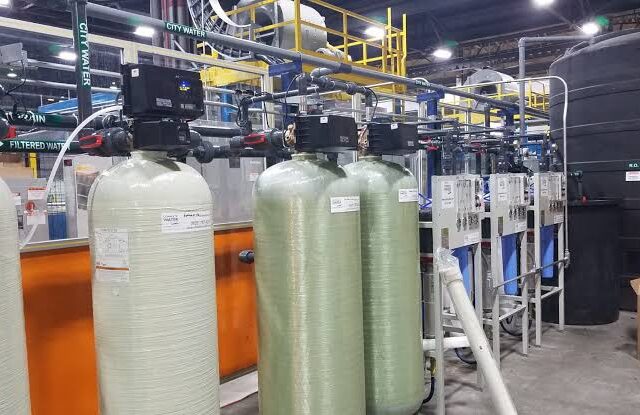
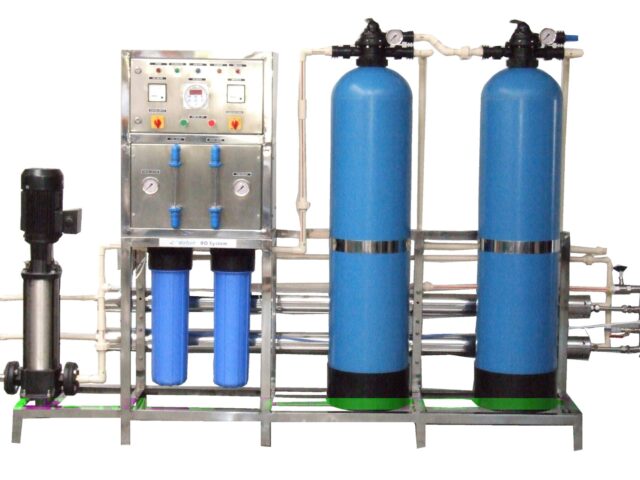
Well-designed commercial water systems take these different demands into account. Rather than treating every outlet in exactly the same way, a business can select equipment based on the quality of its incoming water, daily consumption and the requirements of specific processes.
Hard water is a common concern. Calcium and magnesium can accumulate inside pipes, boilers, water heaters and other equipment, reducing efficiency and increasing cleaning or maintenance needs. Depending on the application, a water softener may help control this buildup.Also read: Keeping Your Water Treatment System Reliable Without the Hassle
Sediment and unpleasant tastes can create different challenges. Filtration may improve certain aspects of water quality, while specialised treatment can address identified contaminants. However, no single technology removes every unwanted substance, and the right choice depends on the water itself.
That’s why testing matters. A water analysis can help identify hardness, dissolved minerals, sediment and other relevant characteristics before equipment is selected. Businesses using private wells may need a broader assessment than those receiving a regulated municipal supply.
The objective isn’t to install the most complicated system available. It’s to solve the problems that genuinely affect your operation.
Start With How Your Business Uses Water
Before comparing equipment, take an honest look at your daily routine. How many people use the facility? When is demand highest? Does the business operate continuously, or are there busy periods followed by quieter hours?
These details influence system capacity. A unit that works well for a small office may struggle in a busy restaurant where water use rises sharply during lunch and dinner service. Choosing equipment that’s too small can lead to inconsistent performance, while excessive capacity may increase upfront and operating costs without delivering meaningful benefits.
Peak demand deserves particular attention. Average daily consumption is useful, but it doesn’t always reveal what happens when several fixtures or machines run simultaneously. A qualified installer can help assess flow rates, pressure requirements and the property’s plumbing configuration.Also read: Why Regular Water Treatment Matters for a Healthier Home
It’s also sensible to think about future growth. If you’re planning to add guest rooms, expand production or open another kitchen, a system with appropriate flexibility may be more practical than one designed around today’s needs alone.
The Practical Side of Salt Delivery and Softener Care
Businesses that use salt-based water softeners need a reliable supply of the correct salt. It might not sound like a major operational concern, but an empty brine tank can interrupt the softener’s regeneration cycle and allow hardness minerals to pass through untreated.
For facilities with substantial water demand, a dependable salt delivery service can make routine maintenance easier. Scheduled deliveries help reduce the chance of running out unexpectedly, particularly when staff have other responsibilities and don’t have time to monitor supplies constantly.
Still, delivery arrangements should fit actual usage. A small office may need salt infrequently, while a hotel, laundry facility or commercial kitchen may consume considerably more. Ask suppliers about delivery frequency, minimum order quantities, storage requirements and whether they provide reminders or recurring schedules.
Salt storage also deserves some thought. Keep supplies dry, clean and accessible, and follow the softener manufacturer’s recommendations regarding the type of salt to use. Not every product is suitable for every system.
Of course, salt-based softening isn’t necessary for every business. If water hardness isn’t a concern, another treatment approach may be more appropriate. The decision should follow testing and an understanding of what the equipment is expected to accomplish.Also read: Choosing the Right Water Treatment System for Your Home
Understanding the True Cost Before Installation
Price is usually one of the first things business owners want to know, and understandably so. But comparing systems based only on their purchase price can give a misleading picture.
The total investment may include equipment, installation labour, plumbing modifications, electrical connections, drainage work and any necessary pretreatment. Ongoing costs can include filter cartridges, salt, electricity, water used during regeneration, inspections and repairs.
When requesting water system estimates, provide as much useful information as possible. Explain what the business does, describe any known water quality concerns and share details about daily usage. If you already have laboratory results or previous service reports, those can help a provider make a more informed recommendation.
Ask for the estimate to separate major costs rather than presenting a single unexplained figure. You should understand what’s included, which components are optional, what maintenance is expected and whether warranties cover equipment, labour or both.
It’s equally important to ask what happens if the system doesn’t deliver the expected results. A reputable provider should be willing to explain performance limits and discuss how the installation will be checked after completion.
The cheapest proposal isn’t always the best value. A slightly more expensive system may offer easier servicing, readily available replacement parts or better capacity for your operating needs. Over several years, those practical advantages can matter more than a small difference in the initial bill.Also read: Making Everyday Purchases Smarter: Referrals, Salt Delivery, and Upgrades That Actually Make Sense
Installation Should Fit Around Business Operations
Commercial installation often involves a logistical challenge: the work needs to happen without disrupting customers, employees or production any more than necessary.
Discuss scheduling with the installer before the project begins. A restaurant might prefer work during its closed hours, while a warehouse may need installation coordinated around delivery schedules. Larger facilities may require staged work to maintain access to essential water supplies.
The installation area should also be reviewed carefully. Equipment needs enough room for servicing, filter changes and, where applicable, salt replenishment. Drainage, power availability and access to the incoming water line can all affect the final design.
Once installation is complete, ask for a clear handover. Staff should know how the system operates, which warning signs to watch for and whom to contact if something goes wrong. Keep manuals, warranty information and service records somewhere accessible rather than leaving them in a forgotten folder.
Maintenance Is Cheaper Than Guesswork
Even well-built equipment needs attention. Filters gradually collect material, softeners require appropriate regeneration, and treatment components have finite service lives. Ignoring maintenance can reduce performance and, in some cases, undermine the treatment the system was installed to provide.
Set a maintenance schedule based on manufacturer guidance, actual usage and the quality of the incoming water. Don’t rely exclusively on a calendar if the system tracks consumption or provides alerts that indicate when service is due.Also read: Commercial Water Solutions: Improving Business Performance Through Better Water Management
Pay attention to changes in water pressure, unusual tastes, visible leaks and recurring scale deposits. These symptoms can have several causes, so proper diagnosis is better than replacing parts at random.
Periodic water testing can also help confirm that the system continues to meet its intended purpose. For businesses with specific sanitation, manufacturing or regulatory requirements, testing and documentation may be especially important.
A Smarter Investment for the Long Run
Choosing a commercial water system is ultimately about reliability. The right equipment should support your operations, suit your available space and deliver the treatment your water actually needs.
Start with a clear understanding of water quality and demand. Compare proposals carefully, consider the full cost of ownership and make sure maintenance arrangements are realistic for your team. A system that looks impressive on paper won’t offer much value if it’s difficult to maintain or poorly matched to your facility.
Water treatment doesn’t need to become another complicated management task. With sensible planning, good installation and consistent care, it can quietly support the work your business does every day. And that’s often the best sign of a worthwhile investment: things simply run a little more smoothly.