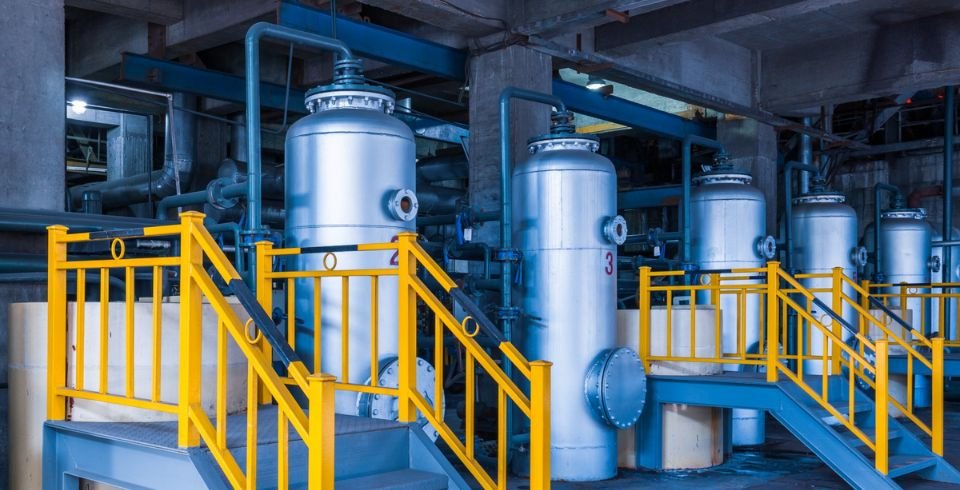
Water is easy to take for granted in a commercial environment. It runs through kitchens, bathrooms, production lines, cooling systems, cleaning equipment, and countless other operations without much attention—until something goes wrong. A blocked pipe, mineral deposits in machinery, unpleasant-tasting water, or an unexpected supply issue can quickly turn into an expensive interruption.
For businesses, water quality is not simply a matter of convenience. It can influence equipment performance, employee wellbeing, customer satisfaction, operating costs, and even legal responsibilities. That’s why choosing the right commercial water solutions is an important part of responsible facility management.
Whether the property is a restaurant, hotel, healthcare facility, office building, factory, school, or retail centre, water treatment should be considered as part of the wider business strategy rather than an isolated maintenance task.
Why Water Quality Matters in Commercial Properties
Commercial properties often use much more water than residential homes, and their requirements are usually more complex. A restaurant may need reliable water for food preparation, dishwashing, steam equipment, and sanitation. A hotel depends on water for guest rooms, laundry, kitchens, pools, and housekeeping. A manufacturing facility may use water as part of its production process or cooling infrastructure.
Each application can have different quality requirements. Hard water may create scale inside boilers, water heaters, dishwashers, and laundry systems. Sediment can damage valves, clog filters, and affect equipment performance. Chlorine or other substances may influence taste and odor, which matters greatly in hospitality and food-service environments.
Poor water quality can also create a less visible problem: increased maintenance. Equipment may need more frequent cleaning, repairs, or replacement. Over time, these small costs can add up to a substantial financial burden.
The Hidden Cost of Hard Water and Scale
Hard water contains minerals such as calcium and magnesium. While these minerals are not always harmful to people, they can cause serious practical problems for commercial operations.
When hard water is heated, minerals can form deposits on internal surfaces. This buildup may reduce heat-transfer efficiency in boilers and water heaters, forcing equipment to work harder. In a restaurant, scale can affect coffee machines, dishwashers, ice makers, and steam ovens. In a hotel, it may leave spots on glassware, create residue in bathrooms, and reduce the lifespan of laundry equipment.
Water softeners can help reduce hardness by exchanging calcium and magnesium ions for sodium or potassium ions. However, a softener is not a universal treatment system. It does not remove every contaminant, and it may not address issues such as sediment, microorganisms, or certain chemicals.
The right solution depends on the business’s water source, usage patterns, equipment, and test results. A system designed for a small office may not be suitable for a large commercial kitchen or industrial facility.
How Water Treatment Supports Operational Efficiency
Reliable water treatment can improve operational efficiency by helping equipment perform consistently and reducing avoidable interruptions. When water-related deposits and contaminants are controlled, machinery may require less frequent cleaning and servicing.
Consider a commercial laundry operation. Hard water can interfere with detergents, leave mineral residue on fabrics, and force staff to use more cleaning products. A suitable softening and filtration setup may improve washing performance while reducing wear on machines. Similarly, a restaurant with treated water may experience fewer issues with scale inside coffee equipment, dishwashers, and hot-water systems.
Water treatment can also support energy efficiency. Scale acts as an insulating layer on heating surfaces, which can make equipment consume more energy to achieve the desired temperature. Keeping those surfaces cleaner may help systems operate more effectively.
Of course, water treatment alone cannot solve every efficiency problem. Equipment age, maintenance habits, staff training, and system design all matter. Still, water quality is an often-overlooked part of the equation.
Choosing Between Filtration, Softening, and Purification
Commercial water treatment is not a one-size-fits-all purchase. Different technologies address different concerns.
Sediment filters are useful for removing suspended particles such as sand, rust, dirt, and debris. Activated carbon filtration can help reduce chlorine, unpleasant odors, and certain organic compounds. Water softeners target hardness minerals, while reverse osmosis systems may reduce dissolved solids, salts, and selected contaminants from drinking or process water.
Ultraviolet systems may be used as part of a disinfection strategy, particularly where microbial control is important. In some facilities, multiple technologies are combined to create a treatment train that meets specific water-quality requirements.
Before selecting equipment, businesses should consider:
- The source of the water, whether municipal or private
- Daily and seasonal water consumption
- The number of employees, guests, or customers served
- Equipment connected to the water supply
- The contaminants or minerals identified through testing
- Available installation space
- Maintenance and replacement requirements
- Local health, safety, and environmental obligations
A professional water assessment can prevent businesses from investing in a system that is too small, too complex, or poorly matched to their needs.
Water Quality and Regulatory Compliance
For many industries, water management is closely connected to regulatory compliance. Food businesses, healthcare facilities, laboratories, schools, hospitality properties, and manufacturers may be required to meet specific standards for water safety, sanitation, or discharge.
The exact requirements vary by location and industry. Restaurants, for example, must maintain safe water for food preparation, cleaning, and sanitation. Healthcare facilities may have stricter protocols because vulnerable patients can be exposed to waterborne risks. Industrial sites may need to manage wastewater discharge, chemical use, or environmental reporting.
A water treatment system should therefore be selected with applicable regulations in mind. Businesses should maintain testing records, service documentation, and evidence that equipment is operating as intended. Staff should also understand basic procedures for responding to changes in water quality or equipment failure.
Compliance is not something to review only when an inspection is scheduled. It should be part of everyday operational planning.
Maintenance Is Essential for Long-Term Performance
Installing a commercial water treatment system is only the beginning. Without regular maintenance, even a well-designed system can lose effectiveness.
Filters need to be replaced before they become overloaded. Softener systems may require salt or potassium replenishment, cleaning, and periodic inspection. Reverse osmosis membranes need monitoring and replacement based on water conditions and usage. UV systems require lamp replacement and proper cleaning to maintain performance.
Businesses should create a maintenance schedule that includes routine inspections, water testing, pressure checks, and service documentation. It is also helpful to identify warning signs early, such as unusual odors, reduced flow, changes in taste, cloudy water, or increasing scale around fixtures.
Planned maintenance is generally easier to manage than emergency repairs. It also helps facilities budget for replacement parts and avoid sudden operational disruption.
Working With a Qualified Water Treatment Provider
Commercial properties should look for water treatment providers with experience in their specific industry. A company that understands residential systems may not have the technical knowledge or service capacity needed for a large facility.
Ask potential providers whether they offer water testing, system design, installation, emergency support, and scheduled maintenance. Request clear information about operating costs, warranties, replacement parts, and expected system performance.
A reliable provider should explain the reasoning behind its recommendations. Be cautious of anyone promising that one device will remove every contaminant or solve every water problem. Good water treatment is based on testing, realistic expectations, and ongoing monitoring.
A Smarter Approach to Commercial Water Management
Water quality affects much more than what comes out of a tap. It influences equipment, energy use, hygiene, customer experience, maintenance budgets, and compliance responsibilities. For that reason, commercial water management deserves a thoughtful, long-term approach.
The most effective strategy begins with testing and a clear understanding of the business’s needs. From there, the right combination of filtration, softening, purification, and monitoring can help protect equipment and keep daily operations running smoothly.
Water may be a basic resource, but managing it well is a smart business decision. With the right system and consistent maintenance, companies can reduce avoidable problems, support safer working environments, and build a more reliable operation from the ground up.