Water is one of those things most people rarely think about until something goes wrong. You turn on the kitchen tap, fill a glass, start the washing machine, or take a shower, expecting everything to work as it should. But water quality can affect far more than its taste. It can influence plumbing, household appliances, cleaning routines, and even the way your skin and hair feel after bathing.
The tricky part is that water doesn’t always reveal its problems through smell, colour, or taste. Some issues are obvious, like reddish stains around a sink, while others need proper testing to identify. Understanding what’s in your water is the first step towards making sensible decisions about treatment, whether you live in a city apartment, a suburban home, or a rural property that depends on well water.
Understanding What Comes Through Your Tap
Water travels through a long journey before reaching your home. Depending on its source, it may contain naturally occurring minerals, dissolved metals, disinfectants, sediment, or other substances picked up along the way. Municipal water systems treat water to meet applicable safety standards, but its characteristics can still vary from one location to another.
Private wells present a different situation. Their quality may be influenced by surrounding soil, geological conditions, agricultural activity, and changes in groundwater. A clear glass of water doesn’t automatically mean the supply is free from unwanted substances.
This is why guessing isn’t particularly helpful. Testing provides a clearer picture of the water’s condition and helps determine which treatment options, if any, are appropriate. A household dealing with mineral deposits may need a different solution from one concerned about an unusual odour or a specific contaminant.Also read: Reliable Water Systems: What Businesses Need to Know Before Investing
The Everyday Trouble Caused by Hard Water
Hard water is a common issue in many homes. It contains elevated levels of dissolved minerals, particularly calcium and magnesium. These minerals aren’t generally a health concern at typical drinking-water concentrations, but they can create persistent maintenance problems.
You might notice white deposits around taps, cloudy glassware, stiff laundry, or soap that refuses to produce a satisfying lather. Over time, mineral deposits can accumulate inside pipes, water heaters, showerheads, and other equipment. That buildup can reduce efficiency and make cleaning feel like a never-ending job.
The issue often becomes more noticeable when hard water & scale buildup starts affecting appliances. A water heater, for example, may need additional energy to heat water when scale accumulates on its heating surfaces. Dishwashers and washing machines can also suffer from deposits that affect performance.
A water softener can help when hardness is confirmed. Traditional salt-based systems use ion exchange to reduce calcium and magnesium levels. However, not every household needs a softener, and salt-free conditioning products work differently. The right choice depends on the water analysis, household consumption, plumbing setup, and personal preferences.Also read: Choosing the Right Water Treatment System for Your Home
Water Quality and Potential Health Concerns
Not every water-quality problem is visible. Certain contaminants may be present without changing the water’s appearance or flavour. Depending on the source and local conditions, testing may need to consider substances such as lead, arsenic, nitrates, bacteria, or other pollutants.
These concerns deserve careful attention because the appropriate response depends on what is actually present. For instance, a system designed to reduce chlorine taste won’t necessarily remove dissolved metals or microorganisms. Likewise, a sediment filter can trap particles but cannot be expected to address every dissolved contaminant.
Understanding contaminants & health concerns begins with reliable testing and an informed assessment of the results. If your water comes from a private well, regular testing is especially important because its quality can change over time. Follow local public-health guidance on which tests to perform and how frequently to repeat them.
If testing identifies a potentially harmful substance, choose treatment specifically certified or independently verified for that contaminant. In some situations, boiling water can help address certain biological hazards, but it does not remove most chemical contaminants and may concentrate some of them. Follow advice from the relevant water authority or public-health department whenever a safety issue is suspected.
Choosing a Treatment System That Fits Your Needs
Water treatment isn’t a one-size-fits-all purchase. Different technologies address different problems, so selecting equipment before understanding the water quality can lead to unnecessary costs or disappointing results.Also read: Making Everyday Purchases Smarter: Referrals, Salt Delivery, and Upgrades That Actually Make Sense
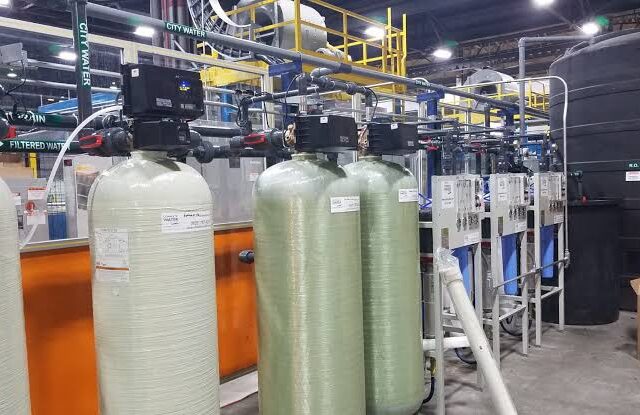
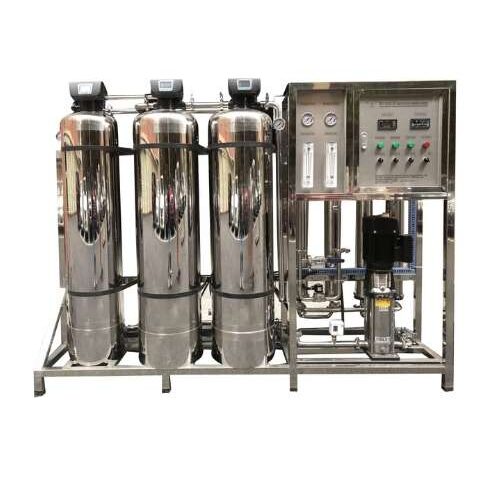
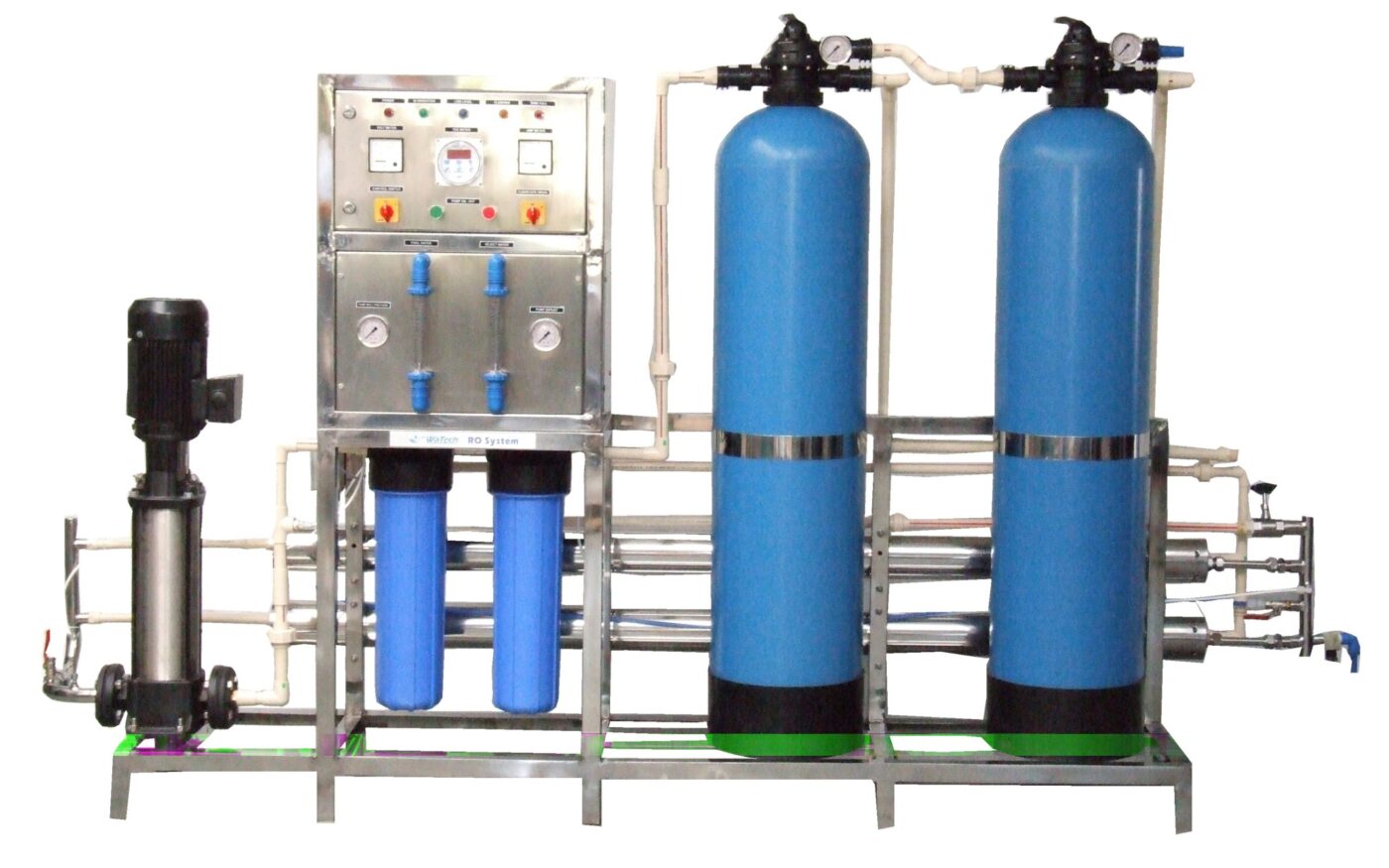
A whole-house filtration system treats water entering the property and may be useful for specific issues affecting multiple taps. Reverse osmosis systems are commonly installed at a drinking-water outlet to reduce certain dissolved substances, depending on the membrane and system design. Sediment filters can capture particles, while activated carbon filters may improve taste and odour by reducing chlorine and certain organic compounds.
Ultraviolet disinfection can help control microorganisms when properly designed and maintained, but it doesn’t remove dissolved chemicals or minerals. Some homes may benefit from combining technologies, although more equipment isn’t automatically better.
Before buying anything, consider the test results, the number of people in the household, daily water use, installation requirements, and replacement-filter costs. Ask what a system is certified to remove, how often it needs servicing, and whether it includes monitoring or performance checks. Clear answers matter more than impressive marketing claims.
Don’t Overlook Maintenance After Installation
Even a well-chosen treatment system needs attention. Filters gradually collect particles or lose effectiveness, softeners require appropriate replenishment and occasional checks, and disinfection systems need to operate within their specified conditions. Ignoring maintenance can reduce performance and, in some cases, create new water-quality concerns.Also read: Commercial Water Solutions: Improving Business Performance Through Better Water Management
Consistent service & maintenance helps keep equipment working as intended. Follow the manufacturer’s replacement schedule, check for leaks, and arrange professional inspections when recommended. Keep records of filter changes and water tests, especially if the system addresses a specific health-related contaminant.
It also helps to notice small changes. A sudden difference in taste, unusual staining, reduced water pressure, or a change in the system’s warning indicator may signal that something needs checking. These signs don’t always mean the water is unsafe, but they shouldn’t be dismissed.
Make Better Decisions With a Water Test
For homeowners, the easiest starting point is often a basic water-quality assessment. Depending on the source and concerns, testing may measure hardness, pH, iron, manganese, chlorine, bacteria, or other substances. Not every test covers everything, so explain your concerns to the testing provider and ask which parameters are included.
If you’re on municipal water, review the local water-quality report as well. It can offer useful background information, though it may not reflect changes inside your property’s plumbing. Older plumbing, for example, can introduce issues that aren’t necessarily present in water leaving the treatment plant.Also read: Moving Out of a Rented Property: A Tenant’s Guide to a Smooth Exit
For well owners, testing should be based on local recommendations and any relevant changes in the property or surrounding environment. After installing treatment equipment, follow-up testing can help confirm that the system is doing its job.
A Practical Approach to Better Water
Good water quality isn’t about buying the most expensive equipment or installing every available filter. It’s about understanding your supply, identifying real problems, and choosing a solution that addresses them without creating unnecessary expense or maintenance.
Start with reliable information. Compare treatment options carefully, check performance claims, and pay attention to ongoing costs as well as the initial price. If you’re uncertain about test results or system requirements, seek advice from a qualified water-treatment professional or public-health authority, depending on the concern.
Water is part of daily life, from the first glass in the morning to the final load of laundry at night. Taking a little time to understand it can protect household equipment, make everyday chores easier, and provide greater confidence in the water your family uses. Often, the smartest improvement begins with a simple question: what’s actually in the water coming into your home?